
Music as Cultural Refuge (2026-present)
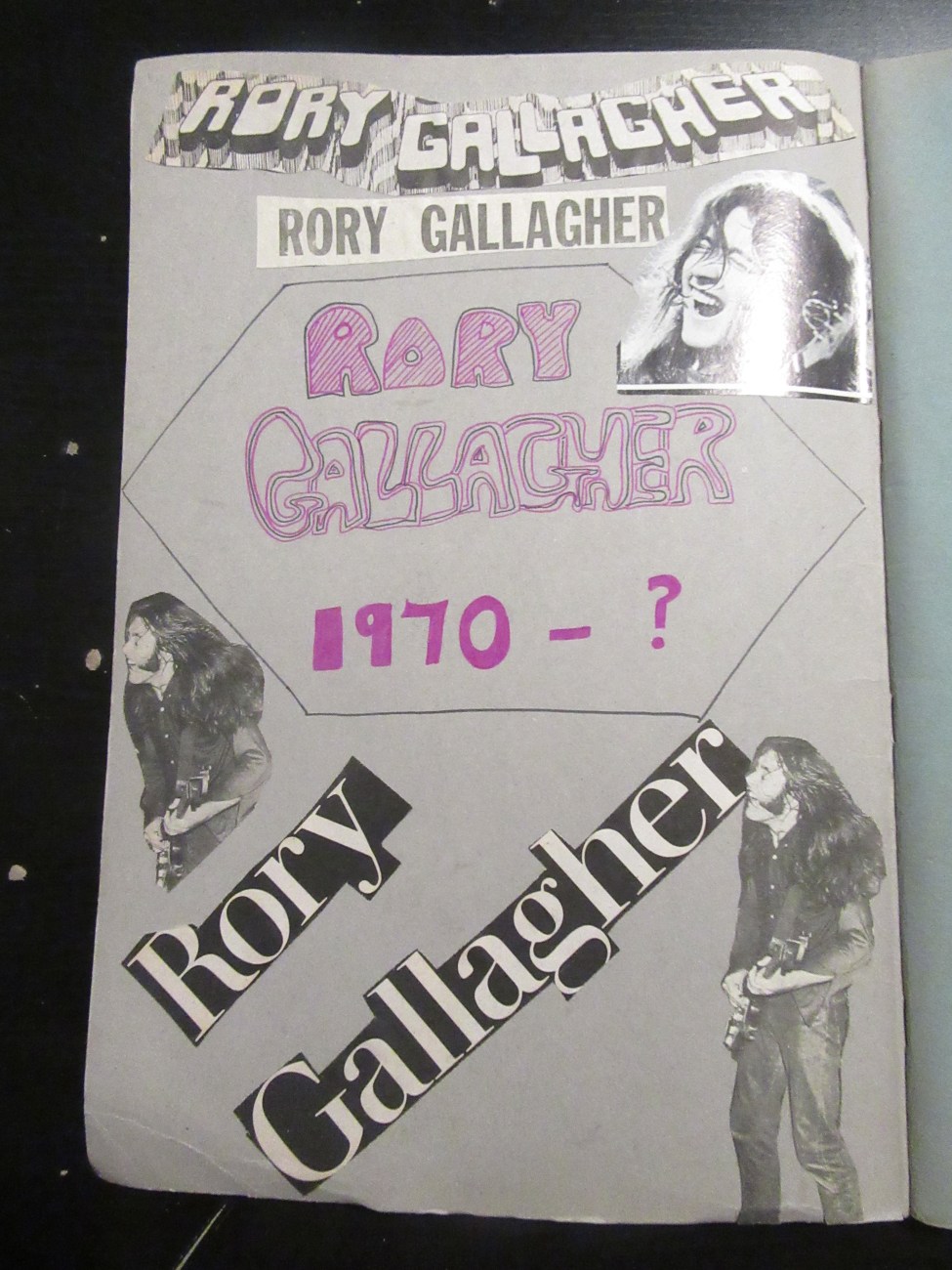
Music as Cultural Refuge (MuCuRe) is an AHRC-funded research project examining how young people in Northern Ireland used music as a form of escape, self-expression and identity-making during the Troubles (1968–1998). The project focuses on the material culture of music such as memorabilia and fan-created artefacts and how these supported resilience and, in some cases, cross-community engagement. I am leading the project in partnership with the Oh Yeah! Music Centre, and with input from the University of Oslo. You can find out more here
Although not directly about Rory, he will inevitably feed into the project data and findings!
Watch this space!
Music Memorabilia as Cultural Biography (2024-2026)
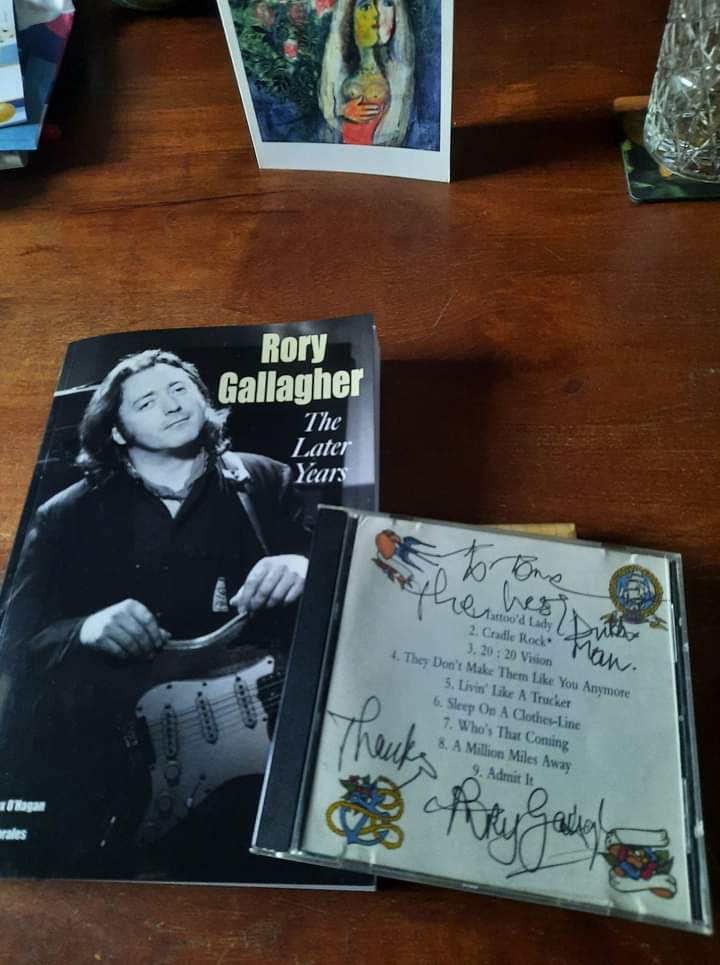
This project, launched in September 2024, uses a multimodal ethnographic approach to explore the ‘social lives’ of music memorabilia given directly to fans during encounters with their favourite musicians and how the meanings of such memorabilia might change and become wrapped in new significance once the musician dies. Using a case study of the Rory Gallagher online fan community, it specifically aims to understand:
– The functions and meanings of such memorabilia to fans
– The memorabilia’s entangled relationships with people, other objects and places (i.e., their embodied material networks)
– The memorabilia’s broader historical and sociocultural significance
– The evolution of the memorabilia’s value and meaning trajectory over time:
(a) since originally receiving the artefact; and
(b) since the musician in question has died.
The study builds upon the findings of a 2021 project concerned with the social lives of battle jackets – a sleeveless denim jacket customised with band patches that is a staple item of clothing for heavy metal fans.
Semiotic Musicscapes and Corkonian Identity (2022-present)
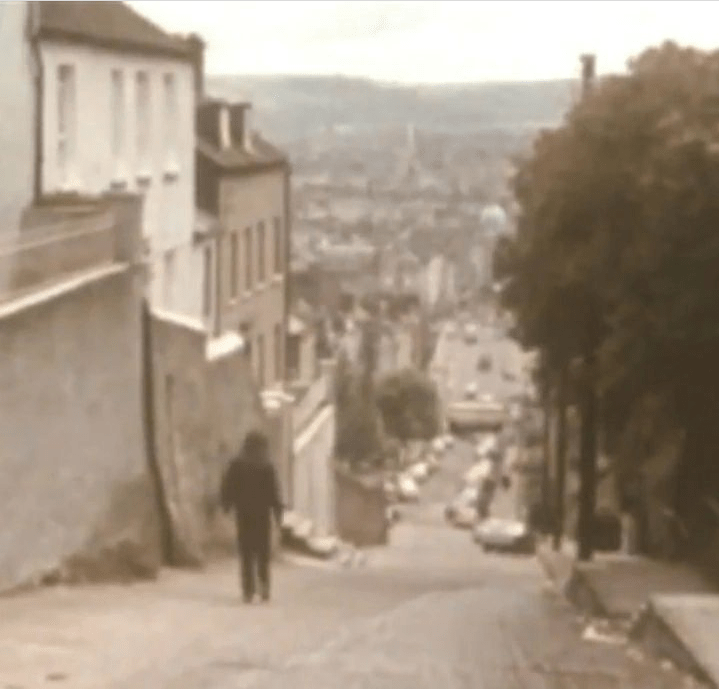
This project uses autoethnography and visual social semiotic analysis to tap into the linguistic and semiotic features of places and spaces associated with the blues musician Rory Gallagher and how they are tied to specific music memories.
Focusing particularly on his adopted home city of Cork, it extends the notion of ‘semiotic landscapes’ to ‘semiotic musicscapes’, exploring the imagined, embodied and emotional aspects of the visual linguistic environment.
It also investigates how sense of place and Corkonian values are narratively produced and depicted in the Irish Tour ’74 documentary, exploring localist expressions of identity and forms of prestige, as well as a form of hybridised parochialism that centres around Belfast as his ‘second home’.
Constructions of Rory Gallagher in the Music Press (2022-present)
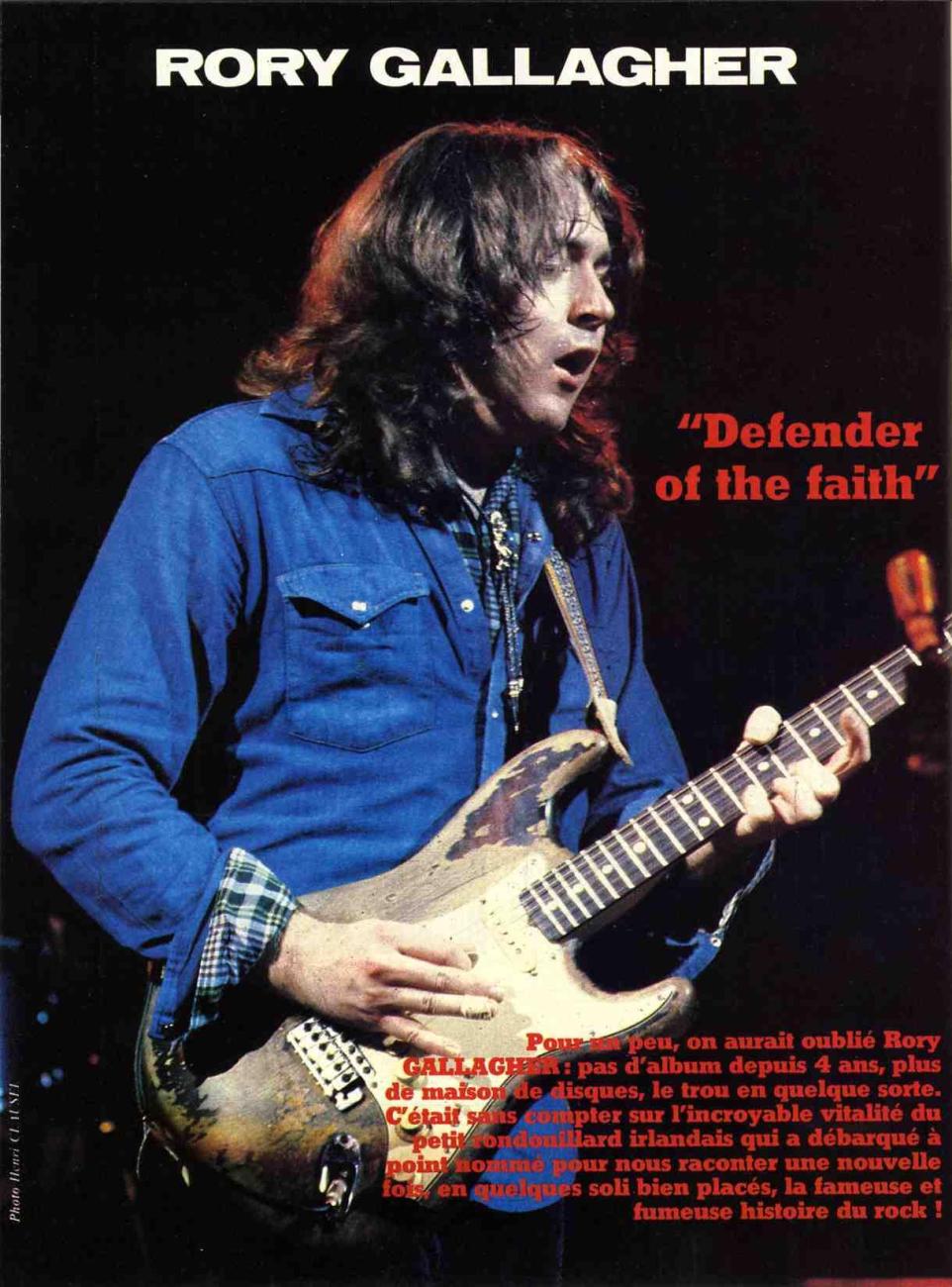
This project uses a combination of corpus linguistics, thematic analysis and post-colonial theory to explore how Rory Gallagher was depicted in the music press throughout his career and posthumously.
It is particularly concerned with Irish stereotyping and prejudice, as well as how Rory’s clothing and appearance was used to critique his loyalty to the blues.
It argues that such negative comments in the press took attention away from Rory’s music and, in doing so, downplayed the important contribution he made to the world of blues and rock.
Rory Gallagher and Digital Fandom (2021-present)
This project is concerned with the intersection of Rory Gallagher’s music and legacy with the rise of digital fandom in the modern age.
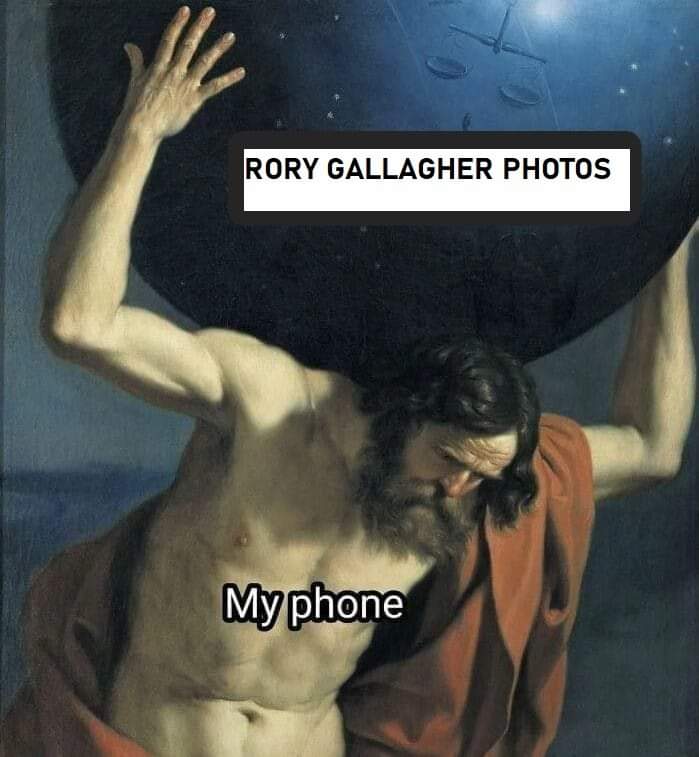
It focuses particularly on social media and online communities, investigating (1) fan communities on platforms like Instagram, Facebook and YouTube where fans share content, discuss albums, and celebrate Gallagher’s legacy; and (2) fan-driven content, such as memes, tribute videos and covers amongst younger fans who may not have experienced him during his lifetime.
Major themes of this project include constructions of Irishness and mental health and wellbeing.


Leave a Reply